
Recent Articles

Quiet Neurodivergence, Spoons, and the Sociology of Invisible Struggle
This article develops quiet neurodivergence as a way of naming how some neurodivergent people appear to cope in education, work and civic life while absorbing hidden costs in masking, energy use and burnout. Drawing on…
Read more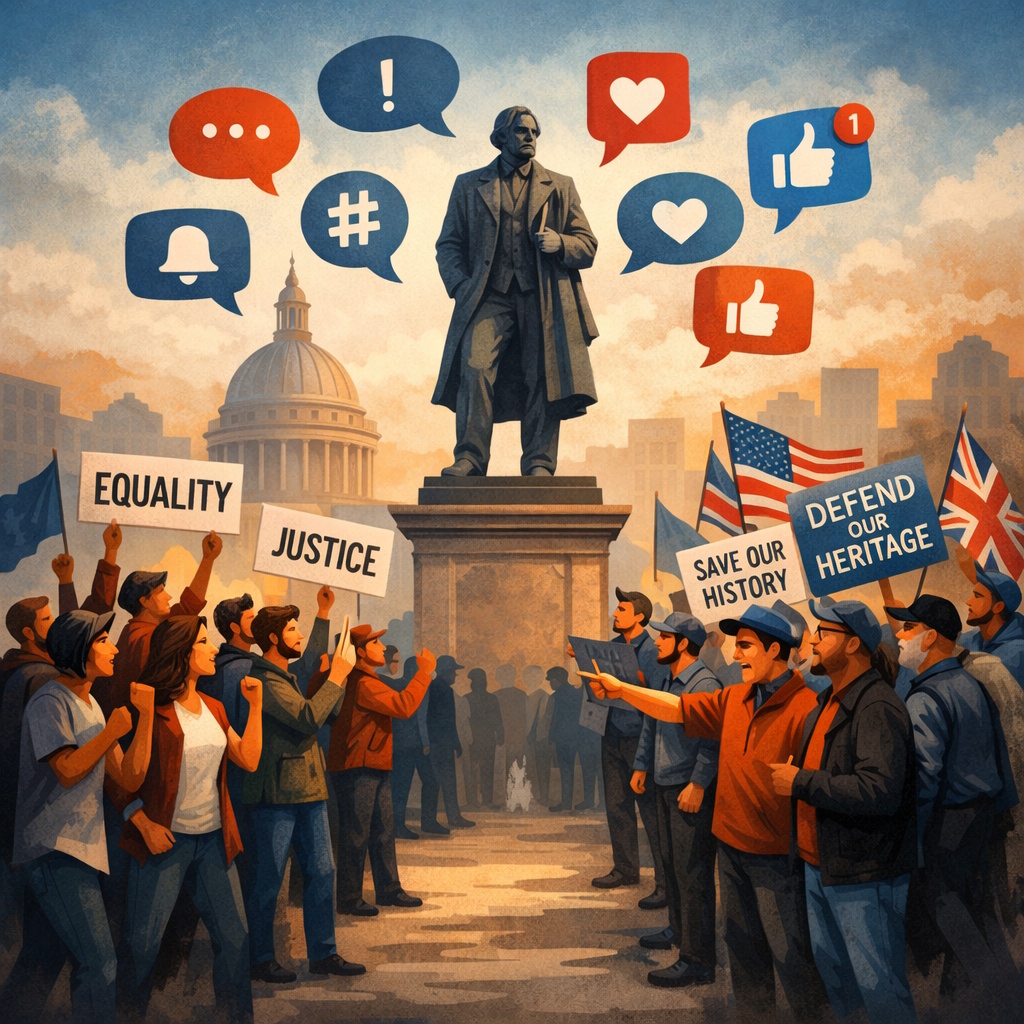
Is Durkheim Still Relevant? Social Facts, Solidarity and Culture Wars
Durkheim never saw a social media pile-on, but he worried about what holds societies together and how they draw moral boundaries. This article introduces his ideas on social facts, solidarity, crime and anomie, and uses…
Read more
Is Weber Still Relevant? Rationalisation, Bureaucracy and Algorithmic Power
Weber wrote about files and offices, not welfare portals, tickets and AI chatbots. Yet his ideas on rationalisation, bureaucracy and legal-rational authority still help make sense of why “the system” feels both neutral and overwhelming.…
Read more
Trading Places and the Myth of Meritocracy: A Sociological Analysis of Class, Race, and Capital
Watching Trading Places as a Christmas comfort film, it is hard not to see a ready-made sociological case study. The Dukes’ “experiment” looks like a simple nature-versus-nurture wager, but the life swap really turns on…
Read more
Is Marx Still Relevant? Marxism, Class and the Gig Economy
Marx wrote about factories and nineteenth-century class conflict, not delivery apps or algorithmic ratings. So how far can his ideas take us today? This article introduces Marx’s core concepts and tests them against platform capitalism…
Read more
Symbolic Violence in Schools: How Class Inequality Hides in Plain Sight
What if the rules that govern school life aren’t neutral? This article explores how symbolic violence—subtle norms and expectations—rewards middle-class students while sidelining others.
Read moreRecent ‘Explained’ Articles

Where Do Our Ideas About ‘Normal’ Come From?
What feels normal is often something we have learned. This article explores how norms, values, socialisation and power shape our ideas about acceptable behaviour, and why ‘normal’ changes across time and place.
Read more
What Is Sociology Actually About?
Sociology asks us to look beyond individual choices and question the wider patterns, institutions and inequalities that shape everyday life. This introduction explores what sociology is, what the sociological imagination means, and why the subject…
Read moreThinking Sociologically explores class, power, and everyday life through a critical lens — with practical tools for reading the social world.