
Category: Critical Thought

Knowledge Is Power - Chernobyl after 40 Years

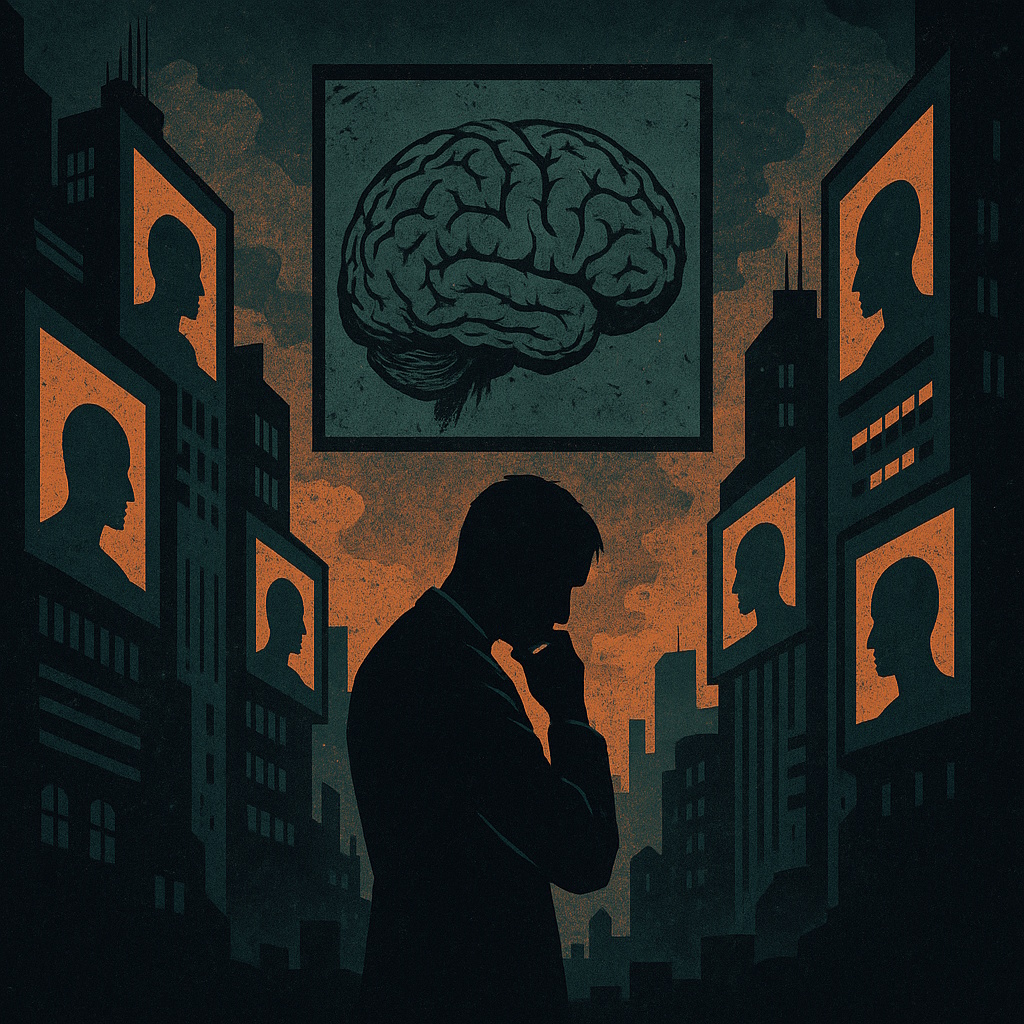
Why Do We Believe What We Believe? Sociology, Knowledge, and the Crisis of Truth

Forty years after Chernobyl, the reactor sits under a vast steel sarcophagus constructed to contain what could not be unseen. The facts eventually surfaced – but at what cost, and why did it take so long? Drawing on Mannheim, Fricker, Arendt, and Oreskes, this article asks what the sociology of knowledge reveals about the structural conditions under which truth is managed, suppressed, and contested – from Soviet nuclear cover-ups to contemporary populism.

Continue reading

Young care worker supports an elderly resident, separated by a text-like barrier from an interview panel facing an empty chair.

The Hidden Curriculum of Soft Skills: Recognition, Capital, and Who Gets Left Out

Job adverts demand communication, leadership, and resilience. But who actually gets credit for them? Drawing on Bourdieu, Puwar, and Rivera, this article argues that soft skills are not recognised neutrally — they are filtered through class, race, and cultural capital. The result is a hiring system that mistakes social advantage for individual merit.

Continue reading
Critical Thought

Beyond the Caricature: Rethinking “Woke Ideology” in Higher Education

This essay critiques a Times article that blames academics for enabling ‘woke ideology’ in higher education. While acknowledging the real issue of intolerance toward dissent, it highlights the article’s reliance on caricature, selective evidence, and polemic rather than balanced analysis.

Continue reading
Thought Types

Thinking Like a Sociologist: A Practical Guide to Deductive, Inductive, and Abductive Reasoning

This guide explains how deductive, inductive, and abductive reasoning function in sociological research, offering clear examples, practical applications, and advice for integrating these approaches to produce rigorous, insightful studies.

Continue reading