
Category: Culture & Identity

Investigate how culture, norms, and values shape personal and collective identities. Explore subcultures, globalisation, and the ever-changing landscape of social belonging.

Quietly Neurodivergent

Quiet Neurodivergence, Spoons, and the Sociology of Invisible Struggle

This article develops quiet neurodivergence as a way of naming how some neurodivergent people appear to cope in education, work and civic life while absorbing hidden costs in masking, energy use and burnout. Drawing on neurodiversity, spoon theory, stigma and camouflaging research, and critical disability studies, it argues that quiet neurodivergence is produced by neuronormative institutions and patterned by class, race, gender and access to diagnosis.

Continue reading
Durkheim Explainer

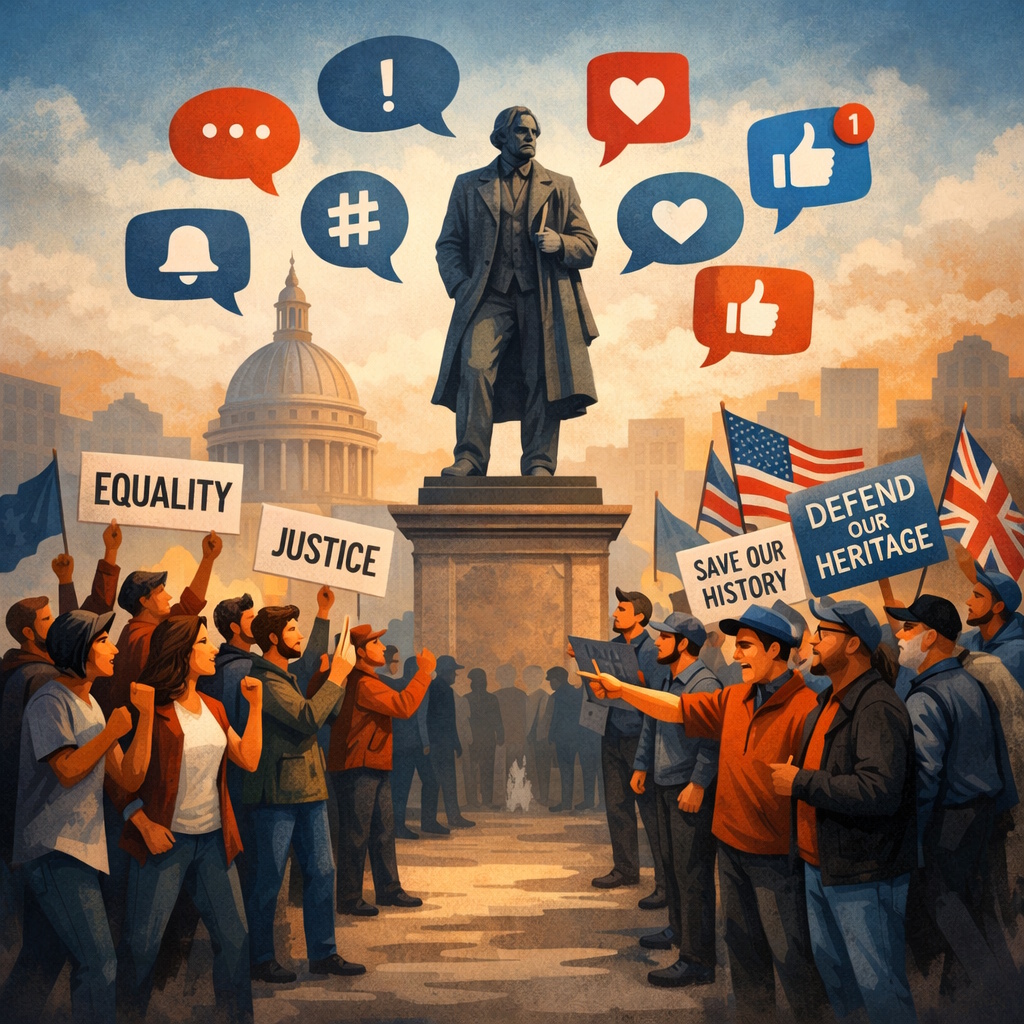
Is Durkheim Still Relevant? Social Facts, Solidarity and Culture Wars

Durkheim never saw a social media pile-on, but he worried about what holds societies together and how they draw moral boundaries. This article introduces his ideas on social facts, solidarity, crime and anomie, and uses them to analyse contemporary “culture wars” over statues, values and offence – and to show where his framework now needs updating.

Continue reading
Marx and the Gig Economy

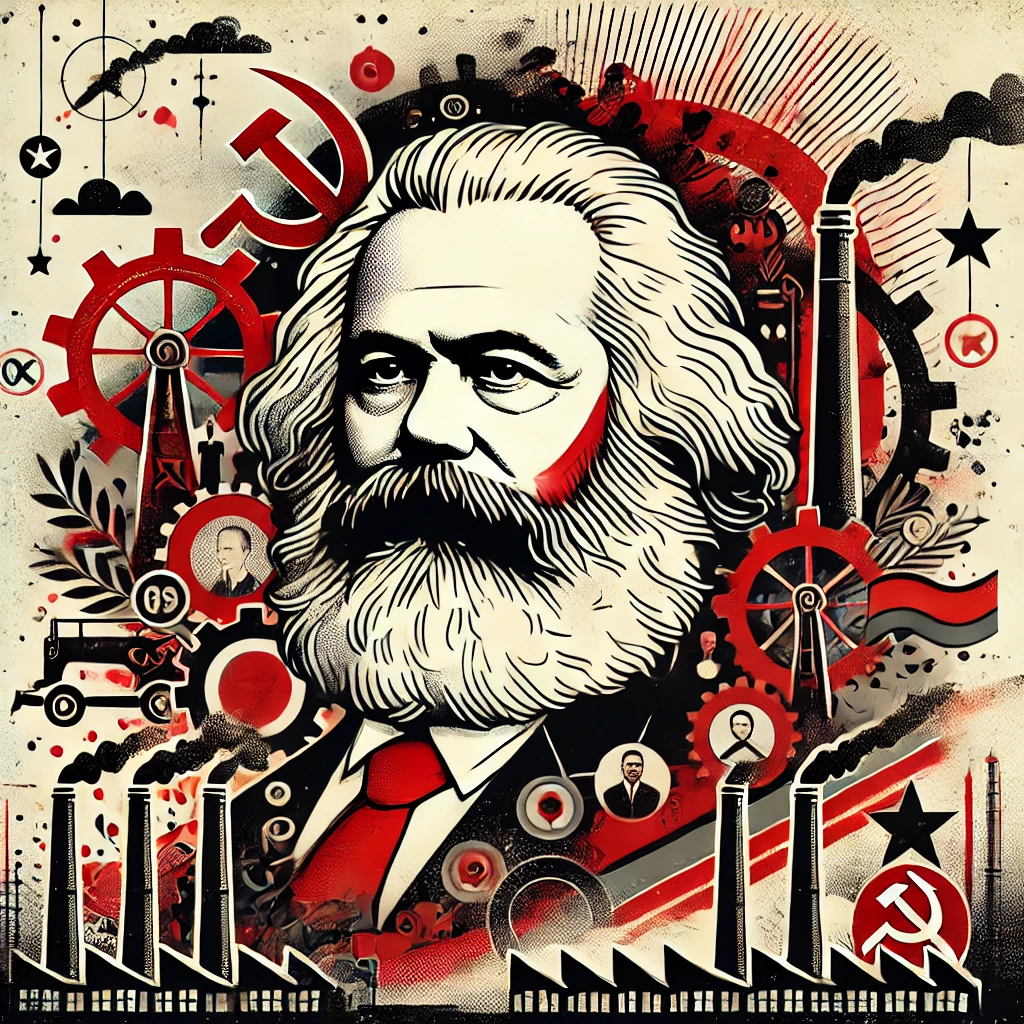
Is Marx Still Relevant? Marxism, Class and the Gig Economy

Marx wrote about factories and nineteenth-century class conflict, not delivery apps or algorithmic ratings. So how far can his ideas take us today? This article introduces Marx’s core concepts and tests them against platform capitalism and the gig economy, showing what still works, what does not, and where later theorists extend his framework.

Continue reading
Types of Capital

Understanding Bourdieu’s Forms of Capital: How Inequality Is Reproduced Through Culture, Networks, and Status

Bourdieu’s concept of capital—economic, cultural, social, and symbolic—reveals how privilege is passed on and class boundaries maintained. This article explains each type of capital, critiques the theory, and shows its relevance in today’s educational inequalities.

Continue reading
Truman Show Ethics

Watching Without Seeing: The Ethics of Spectatorship in The Truman Show

Reflecting on The Truman Show, this article examines how spectatorship shapes ethical disengagement in contemporary society. From reality television to educational surveillance and smartphone culture, it explores the blurred boundaries between observation, performance, and complicity.

Continue reading
Neurodiversity Brain

The Rise of ‘Neurodiversity Chic’: Meaningful Progress or Just Branding?

Discover the complexities of neurodiversity’s rise in mainstream society, from increased awareness and policy shifts to concerns over performative advocacy and media stereotypes. This in-depth analysis explores the sociological impact, challenges, and future of neurodivergent inclusion.

Continue reading
Deepfake Face

Deepfake Pornography: Power, Consent, and Digital Ethics

An in-depth sociological analysis of deepfake pornography, exploring its ethical implications, power dynamics, consent, and digital exploitation through feminist and media theories.

Continue reading