Tag inequality

Who Gets Accused? AI Detection Bias, Academic Integrity, and the Uneven Field in Higher Education

AI meets academia: a robot faces a gatekeeping professor holding keys.

When universities reach for AI detection tools to police academic integrity, they reach for instruments that are neither accurate nor neutral. Research shows that non-native English speakers, neurodivergent students, and those whose natural writing style resembles AI output face disproportionate false accusations. This article applies a moral panic framework to ask what the response to AI in higher education actually reveals — and who it disadvantages.

Is Durkheim Still Relevant? Social Facts, Solidarity and Culture Wars

Durkheim Explainer

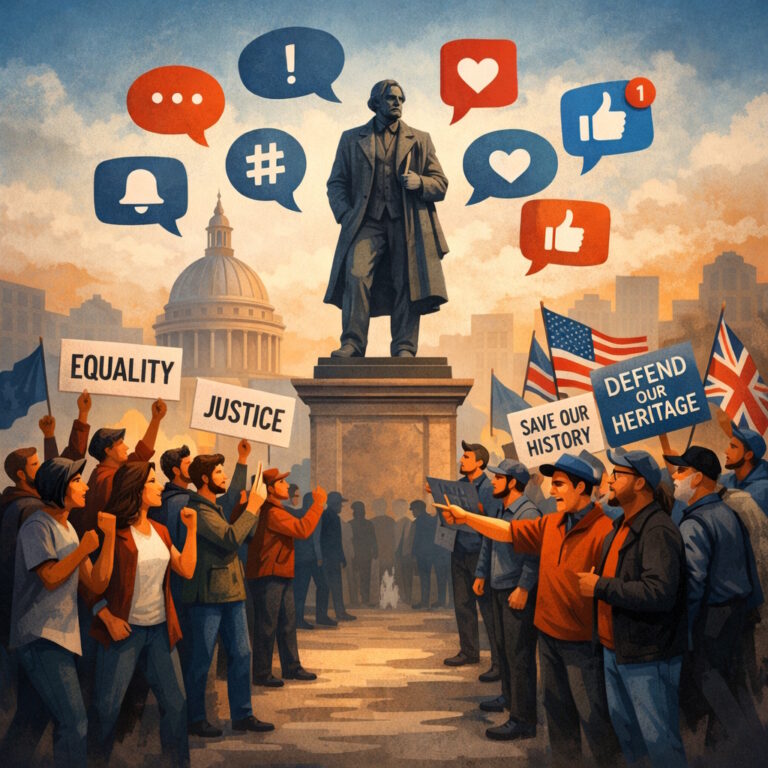
Durkheim never saw a social media pile-on, but he worried about what holds societies together and how they draw moral boundaries. This article introduces his ideas on social facts, solidarity, crime and anomie, and uses them to analyse contemporary “culture wars” over statues, values and offence – and to show where his framework now needs updating.

Is Weber Still Relevant? Rationalisation, Bureaucracy and Algorithmic Power

Weber Contemporary Relevance

Weber wrote about files and offices, not welfare portals, tickets and AI chatbots. Yet his ideas on rationalisation, bureaucracy and legal-rational authority still help make sense of why “the system” feels both neutral and overwhelming. This article introduces Weber for undergraduates and tests his relevance against contemporary forms of algorithmic power.